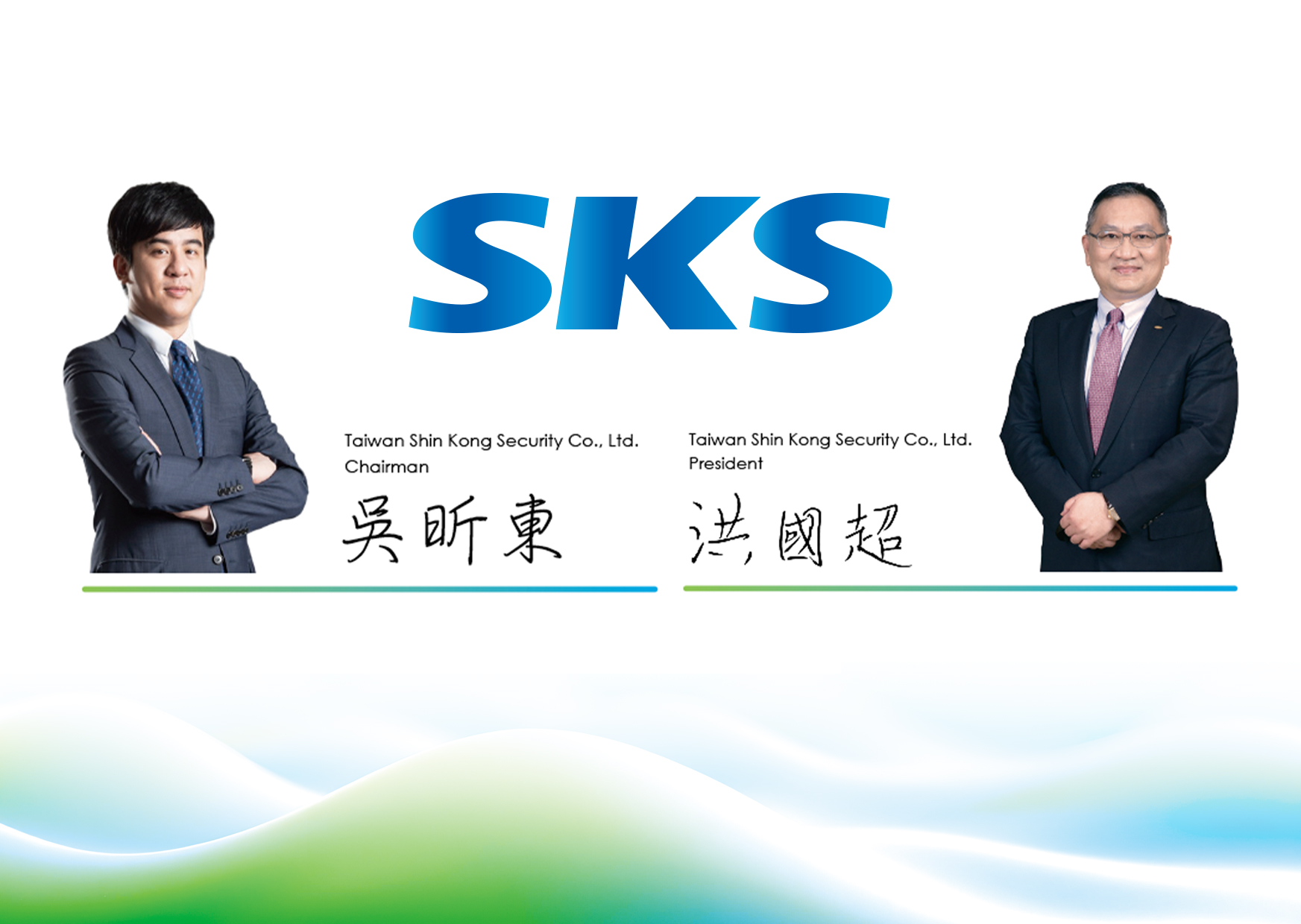
Words from the Management
In recent years, the global momentum toward sustainable development has continued to accelerate. Climate change–driven extreme weather risks, pressures from the energy transition, and geopolitical uncertainties are reshaping the business environment and redefining industry competition. At the same time, international sustainability disclosure standards are becoming increasingly standardized, while investors and stakeholders continue to raise expectations regarding corporate risk management, information transparency, and long-term value creation. As a result, technological innovation and sustainable governance have become indispensable core capabilities for modern enterprises.
Domestically, Taiwan is confronting the dual challenges of net-zero transition and energy structure transformation, alongside demographic shifts driven by declining birth rates and an aging population. Regulatory authorities continue to advance sustainability disclosure and climate risk management frameworks, while supply chains are progressively adopting carbon reduction and governance standards. Under these evolving conditions, the ability to improve operational efficiency while balancing environmental responsibility and social impact has become a key indicator of long-term competitiveness.
Against this backdrop, the security industry is likewise entering a critical stage of transformation. Traditional labor-intensive operating models are gradually evolving, with technology empowerment and low-carbon operational management becoming inevitable directions for the industry. SKS continues to deepen the integration of technology applications and sustainability management by incorporating Environmental, Social, and Governance (ESG) considerations into its business decision-making framework. The Company is steadily transforming from a traditional security service provider into an integrated smart living solutions provider and a supporter of sustainable value creation.
Environmental (E)
SKS continues to promote energy management and carbon reduction initiatives, including the electrification of service fleets, energy efficiency optimization across operational sites, and process digitalization to reduce operational carbon intensity. At the same time, the Company utilizes intelligent dispatch systems to minimize unnecessary field assignments and improve resource allocation efficiency. On the service side, SKS continues to develop energy-efficient smart building integration solutions to assist customers in optimizing energy use.
Social (S)
In response to an aging society and changing labor structures, SKS continues to develop smart care and integrated security solutions to address growing societal needs for safety and health. At the same time, the Company strengthens employee capabilities and organizational resilience through systematic talent development and digital skills enhancement programs. In 2025, SKS also launched an Employee Stock Ownership Trust program to further strengthen long-term alignment between employees and the Company and promote shared growth.
In terms of community engagement, SKS continues to promote the An-Shin Classroom program and ecological conservation initiatives, strengthening interaction and trust with local communities. In addition, the Company participated in the Ministry of Agriculture’s “ESG STORE” project in 2025, integrating local agricultural sustainability initiatives with corporate application scenarios. Through practical procurement and collaborative mechanisms, SKS supports agricultural carbon reduction and ecological conservation while establishing sustainable linkages between enterprises and agricultural supply chains, further strengthening cross-industry collaboration and shared value creation.
Governance (G)
SKS continues to strengthen the Board’s oversight functions and risk management framework by incorporating climate risk and information security into major risk assessments, thereby enhancing decision-making transparency and institutional effectiveness.
In 2025, SKS also completed the EcoVadis corporate social responsibility assessment, CDP climate change questionnaire disclosure, and Responsible Business Alliance (RBA) assessment processes. Through these initiatives, the Company further aligned with international sustainability ratings and supply chain management standards, strengthening corporate governance practices and the quality of information disclosure.
Looking ahead, SKS will continue to deepen technology applications and sustainable governance under its principle of prudent management, while enhancing operational efficiency and risk management capabilities. Through a transparent and responsible approach, the Company remains committed to responding to stakeholder expectations. We firmly believe that sustainability is not a short-term initiative, but rather the core foundation for long-term value creation and trust building.
Finally, we would like to express our sincere gratitude to all shareholders and stakeholders for their continued support and trust in SKS.